Showing posts with label Madryt/ Madrid. Show all posts

Sunday, 17 June 2012

Kulinarny spacer po Madrycie/ A taste of Madrid

Dziś nadeszła cześć na 2 cześć relacji (trochę czasu mi zajęło) z kwietniowego wypadu do Madrytu. O najważniejszych zabytkach juz wiecie, a dziś zabiorę was na kulinarny spacer po stolicy Hiszpanii. Bo dla mnie, jak na prawdziwego kulinarnego turystę przystało, równie ważne (czasami nawet ważniejsze) jak zwiedzanie miasta, jest odkrywanie smacznej strony tego miasta. W krajach południowych kultura jedzenia jest zupełnie inna, godziny posiłków są święte, każdą, nawet najmniejsza mieścina, ma swoje danie popisowe, posiłki się tu celebruje. I mi to bardzo odpowiada. Cóż jest lepszego niż siedzenie w ogródku restauracyjnym z winem/zimnym piwem/sangria/innym drinkiem i degustowanie lokalnych przysmaków? Albo rundka po tapas barach, by w każdym spróbować innej przekąski?

Kultura tapas w Madrycie ma zupełnie inny wymiar niż w Katalonii. Pierwszą różnicą, którą rzuca się w oczy, jest to, że tutaj prawie w każdym barze tapas to dodatek do piwa (co nota bene jest najzupełniej zgodne z tradycją), a nie osobne „danie”. Tak więc przy zamówieniu piwa lub wina dostajemy (za darmo!) tapas. W niektórych barach zamawiając 2 piwa możemy się porządnie najeść, w innych porcje są skromniejsze. W Hiszpanii (nie wiem czy się nie powtarzam, bo o tapas i kulturze jedzenia pisałam już na blogu kilkakrotnie) dobrą knajpę poznaje się po ilości zużytych serwetek na podłodze. Im więcej klientów i im więcej śmieci na podłodze, tym lepiej. Może należałoby otworzyć w Polsce takie małe bary, w których atmosfera jest bezpretensjonalna, klienci głośno rozmawiają i komentują z właścicielem a to wynik ostatniego meczu reprezentacji, a to kolejne reformy rządowe.

Do Madrytu jechałam wyposażona w małą listę barów, kawiarni i restauracji, a na dodatek mogłam liczyć na rekomendacje od Marii i Weroniki. Jednak podczas 2 dni musiałam liczyć tylko i wyłącznie na swoje towarzystwo, co było trochę dziwne. Nie przepadam bowiem ze chodzeniem do barów i jedzeniu w pojedynkę. Jednak mimo moich obaw, że zwiedzanie i jedzenie bez towarzystwa będzie dość nieprzyjemnym doświadczeniem, muszę przyznać, że dobrze się czułam sama ze sobą. Taka mała odmiana. Zresztą w niektórych barach fakt, że byłam bez towarzystwa powodował, że miły pan kelner z uśmiechem nałożył mi większa lub dodatkową porcję tapas i wdał się w rozmowę :)

Pierwszym przystankiem był bar asturyjski El Ñerú zarekomendowany przez Marie, bo znajdował się w pobliżu Plaza Real, ale na tyle daleko i na tyle ukryty, że żaden turysta, chyba że zbłąkany, by tutaj nie przyszedł na lunch, no chyba, że wie, gdzie ma szukać. A warto, bo ten lokal serwuje naprawdę dobre tapas, a pan kelner z nieśmiałym uśmiechem zaserwował mi od serca dodatkowa porcje tortilli. Tak mi się tam podobało, że wieczorem wróciłam tam z Maria i Weronika, by od tego właśnie baru zacząć nasze tapeo.


W piątek włóczyłam się po dzielnicy Malasaña i Chueca. Wybór lunchowy padł na mityczny El Tigre. Porcja zaserwowana do piwa była gigantyczna, na tyle duża, że nie przeszła mi przez głowę myśl, by skusić się na drugie piwko. Bar jest zawsze pełny, nie ma co się dziwić, należy bowiem do jednych z najtańszych w stolicy, za 2 euro dostajemy piwo i talerz pełen przekąsek (z każdym piwem wydaje się, że na talerzu pojawia się ich coraz więcej). A wystrój… to temat na osobną opowieść. Ale wolę nie obiecywać, bo coś mi ostatnio całe tygodnie zajmuje nadrabianie zaległości. Nigdy nie zrozumiem idei polowania, a potem wywieszania trofeów na ścianach. A te właśnie dekorują ściany baru, mamy więc gigantyczną głowę dzika, poroża jeleni i pewnie inne biedne zwierzątka, ale tych między głowami biesiadników nie dane mi było zobaczyć.


Kolejnym przystankiem jest bar Los Gatos (ciekawostka na marginesie: mieszkańcy Madrytu nazywani są kotami, ze względu na ich życie nocne, bo to nocą ożywają). Bar ciekawy, choć to mało powiedziane. Czego tu nie ma! I nie mówie bynajmniej o jedzeniu, ale wystroju. Mozaiki na ścianach (w tym dzieło Goyi), głowa byka, strój toreadora, ministrant, serki innych gratów, które tworzą swoisty i kultowy charakter tego miejsca. Po zamówieniu cerveza tudzież wermutu, dostaje się, jakże inaczej tapę do towarzystwa i można oddać się podziwianiu wszystkich najdziwniejszych elementów dekoracyjnych.


Na zakończenie nocy, po ciężkiej imprezie, wielu imprezowiczów regeneruje siły przy churros con chocolate (podobno są najlepszym lekarstwem na kaca) w Chocolateria de San Gines. Ja przyznam się do grzechu, także wstąpiłam do podobno najlepszej czekoladziarni w stolicy (istniejące już od ponad stulecia), ale o bardziej przystępnej godzinie. Choć może nocą zjedzone kalorie się nie liczą ?


Jak jesteśmy przy nocnym piciu, to ciekawym miejscem dla wielbicieli sławnego hiszpańskiego trunku, a mianowicie sangrii, jest podziemny bar- jaskinia Las Cuevas de Sésamo

Godnym polecenie miejscem jest też Mercado de San Miguel. My, z braku czasu i miejsca na kolejne potrawy (no nie dla nas podwójne lunche czy kolacje), tylko weszliśmy i rzuciliśmy okiem na to, co ma do zaoferowania najstarszy targ w Madrycie. Jest to miejsce interesujące, nie tylko kulinarnie, ale także architektonicznie. Tłumy w środku tylko potwierdzają sławę tego miejsca.

'

A chodząc po mieście ma się wrażenie, że każdym rogu jest jak nie bar, to restauracja, albo kawiarnia, albo stoliki tarasowe. Od wyboru, do koloru…


So finally I’ve decided it was time to write a second post on my April trip to Madrid (yes, it took me more than 2 months). As you already know what are the most famous touristic places in the capital, today I take you on a culinary walk through Madrid. As a true culinary tourist, it is as important (in some cases even more than actual sightseeing) as visiting the monuments is to discover the tasty side of a city. In the southern countries, like Spain, Italy, Portugal or even France, the importance food has still surprises me, their culture of eating is totally different from the one I was used to during my whole life. Meals are celebrated, meal time are sacred, even the tiniest town has its specialty and is famous for it in the whole country. But I must admit, I don’t have anything against it, on the contrary. What can be better than sitting on a terrace of a restaurant drinking a good wine/cold beer / sangria / your favourite drink and tasting the local specialties? Or go de tapeo, which literally means go from one bar to another trying different tapas? Which of course is nothing but a mere excuse to meet with friends and eat.

The culture of eating tapas in Madrid is on a totally different level than in Catalonia. First of all, in almost every bar, a tapa is not a separate dish, it is what you get (for free!) when ordering a beer. And it is this way in many Spanish regions but Catalonia (in fact we only know one bar in Barcelona that gives you a free tapa). So when ordering two beers or glasses of fine and getting tapas, you basically eat almost a whole meal. Another thing to keep in mind when looking for a nice place to eat in Spain is to watch closely how dirty is the bar’s floor. I think I already mentioned that here you recognize a bar with a lot of paper napkins on the floor is a good one- the more dirty the floor is, the better. I wonder if similar places could function somewhere else. I somehow can picture it in Poland, a small bar with unpretentious atmosphere, where customers talk loudly (and nobody tells them to shut up) and they comment with a friendly owner the results of the last game or government’s plan on resolving the crisis.

When I knew I was going to Madrid, I made a list of places where I wanted to go, and I could always count on Maria’s and Weronika’s recommendations. The only problem was that during the whole 2 days I was sightseeing alone, and I am really not used to be alone. I normally never go to bars or restaurants alone, so it was a bit strange at the beginning to eat alone, not having a company. But it turned out to be a surprisingly good change (for two days, I don’t know if I enjoyed more days with me and only me). Besides, in some bars the fact I was alone was actually something positive: a nice waiter gave me an extra portion of tortilla and we had a nice conversation.

The first stop on my culinary map was the Asturian bar El Ñerú , highly recommended by Maria. As I happened to be close to Plaza Real, I decided to eat there. It is just a short walk from touristic Plaza Real, but is quite hidden so that you enter only if somebody told you to go there, as it looks like thousand similar places to have something to eat. But it is definitely a great place (some people on Trip Advisor call it the best place serving Asturian food in the capital) with even better service. A really friendly and somehow shy waiter made me go to the same place twice, and it was there that we started our tapeo in the evening.


On Friday I spend my day wandering through the streets of Malasaña and Chueca district, so my logical choice was a mythical bar El Tigre. The places is told to be one of the cheapest bars in Madrid, and it really is. For 2 euros (or was it 2,5?) you get a beer and a big plate of tapas. It seems that with every beer the plate gets bigger and bigger (I judge it by other plates, as I was so full after finishing mine that I didn’t even consider ordering another). It is always full (no surprises here) so you have to make you way to the counter top. And the noise, and the atmosphere, and the décor… You have to see it. Lucky you I have some photos (not many, as I was too busy eating). I’ve never understood the appeal of hunting and then hanging the trophies on the walls. And it is how El Tigre is decorated, it may not have a tiger head, but there is a gigantic head of a boar, deer antlers, and probably other poor animals.


The next stop was a bar called Los Gatos (funny fact: people from Madrid are called cats, because of their night life, they are believed to start living fully during the night). Bar is really something different and unexpected. And I’m not referring to food this time, but to the décor. You can find everyting in here! Mosaics on the walls (including the Goya’s famous painting), bull’s hear, toreador outfit, altar boy’s outfit, other cheesy and tacku pieces of junk, which form a peculiar ambience. After ordering a cerveza or vermouth and getting a tapa, you can spend a long while admiring the strangest decorative elements.


One way to finish a night, is to go where many party animal stop to recover, at Chocolateria de San Gines. Their churros con chocolate are believed to be a great cure for hangover) . I must confess, I sinned. I also entered what some chose the best chocolate bar in Madrid, but it was still during the daytime. Maybe it was a mistake and calories eaten at night are forgiven easier)


Since we mentioned drinking, for those who call themselves sangria lovers, there is an interesting place to go. It is called Las Cuevas de Sésamo and as the name itself suggest it is an underground bar, looking like few caves.

There are countless places where a food lover can go in Madrid, it is a heaven for them. One of such places is Mercado de San Miguel. As we didn’t have enough time, or possibility to eat two lunches or dinners, we only had a quick look on what this oldest market in the city has to offer. And it really is worth reserving some space in your belly and on your memory card. The crowds inside can only confirm fame of this place.

'

And by simply walking around the city, you get the impression that on every corner there is a nice bar, cozy restaurant, charming café or great terrace. The problem is which one to choose….

Sunday, 13 May 2012

Madryt odkryty na nowo/ Madrid reinvented

Pierwszy raz w stolicy Hiszpanii byłam w maju 2008, po 4 latach miałam okazję na nowo odkryć to miasto. Tym razem bardziej świadomie, a mniej turystycznie (coraz mniej bowiem lubię chodzić szlakami wyznaczonymi przez przewodnik, a coraz bardziej lubię się po prostu gubić w mieście, by je lepiej poznać, od tej prawdziwszej, nie-przewodnikowej strony). Prado, Retiro, Pl. Cibeles, Pl de Sol- podczas pierwszej wizyty zwiedziłam to, co każdy turysta powinien, to przewodnik wytyczał mi trasę, nie opuściłam żadnego z 10 miejsc, które absolutnie trzeba zobaczyć w Madrycie. Ba, to nawet w tym mieście po raz pierwszy i ostatni byłam na corridzie. Zaproszenie do Madrytu mieliśmy w sumie odkąd się przeprowadziliśmy do Barcelony, tam mieszka bowiem moja dobra znajoma ze studiów, Weronika. Mobilizacja trwała dobry rok, bo latem w Madrycie na nasz gust jest za gorąco, latem bowiem preferujemy plaże a nie żar miasta bez dostępu do morza, a zimą jest za zimno (jesteśmy trochę wybredni). Do tego nieatrakcyjne ceny weekendowych lotów nie sprzyjały naszym planom odwiedzenia znajomych w stolicy. Termin tegoroczny wybrany został nieprzypadkowo, Nuno bowiem miał spędził tydzień w Madrycie wraz z ludźmi w firmy, wykorzystaliśmy, że dla niego biletów nie musieliśmy już kupować, a ja mogłam spędzić 2 noce u mojej dawno niewidzianej hiszpańskiej znajomej Marii (wspominałam w jakimś poście, że poznałyśmy się na jej Erasmusie w Warszawie z 6 lat temu, razem zrobiłyśmy też interraila na trasie Wwa-Praga-Bratysława-Bukareszt-Zagrzeb).


Relacja z 4 dniowego pobytu w Madrycie podzielona będzie na 2 części. Tę o zwiedzaniu i tę o jedzeniu. Jako że jeszcze jestem przed kolacją, na pierwszy rzut pójdzie relacja turystyczna, choć tym razem do Madrytu jechałam bez żadnego przewodnika (mój o całej Hiszpanii był za ciężki, a z biblioteki nie zdążyłam wypożyczyć, na kupno nowego szkoda mi było kasy, bo w informacji turystycznej dostałam informator o dzielnicach i miejscach wartych odwiedzenia). Dla ułatwienia, zapożyczyłam sobie top 10 ze strony http://www.madaboutmadrid.com, bo kto, jak nie ten mający świra na punkcie Madrytu powinien wiedzieć, co koniecznie trzeba zwiedzić?

1. Muzeum Prado – jedno z najważniejszych i najbardziej znanych muzeów na świecie. Wśród bogatej kolekcji (z braku miejsca tylko część zasobów muzeum wystawiona jest na widok publiczny) znajdują się dzieła takich mistrzów jak El Greco, Goya, Velazquez, Rubens. Pamiętam, jak po raz pierwszy przestąpiłam próg ogromnego gmachu przy Paseo del Prado i miałam okazję na żywo zobaczyć wszystkie te dzieła, o których uczyłam się na historii sztuki lub których reprodukcje widziałam w jakiejś książce. Przeogromny obraz Las Meninas, uważany za jedno z najważniejszych dzieł w historii sztuki, o wymiarach 318 cm × 276cm, dosłownie wmurował mnie w ziemię. Mogłam tylko stać bez ruchu i podziwiać. Tego samego wrażenia doświadczyłam przez obrazami El Greco i późnego Goi. W tym roku na El Prado przeznaczyłam zaledwie godzinkę i tylko tych 3 wielkich hiszpańskich malarzy miała zamiar zobaczyć. Ukradkiem zrobiłam iphonem kilka zdjęć (za co mi się oberwało, bowiem w przeciwieństwie np. do znanych paryskich muzeów, w El Prado zabronione jest robienie zdjęć i nawet moje tłumaczenia, że robię je ludziom, a nie obrazom, nie uratowało mnie przed srogą miną pani strażniczki), by pokazać tłumy, które niestety skutecznie przeszkadzają w kontemplacji sztuki.


2. Puerta del Sol – tu mieści się symbol Madrytu- niedźwiedź zjadający owoce z drzewa poziomkowego, tutaj znajduje się kilometr zerowy, pomnik Karola III, tutaj mieszkańcy stolicy świętują nadejście nowego roku zjadając 12 winogron, tutaj protestują i manifestują (tu zaczęły się demonstracje młodych ludzi, nazwane potem ruchem 15M lub Indignados-Oburzonych)


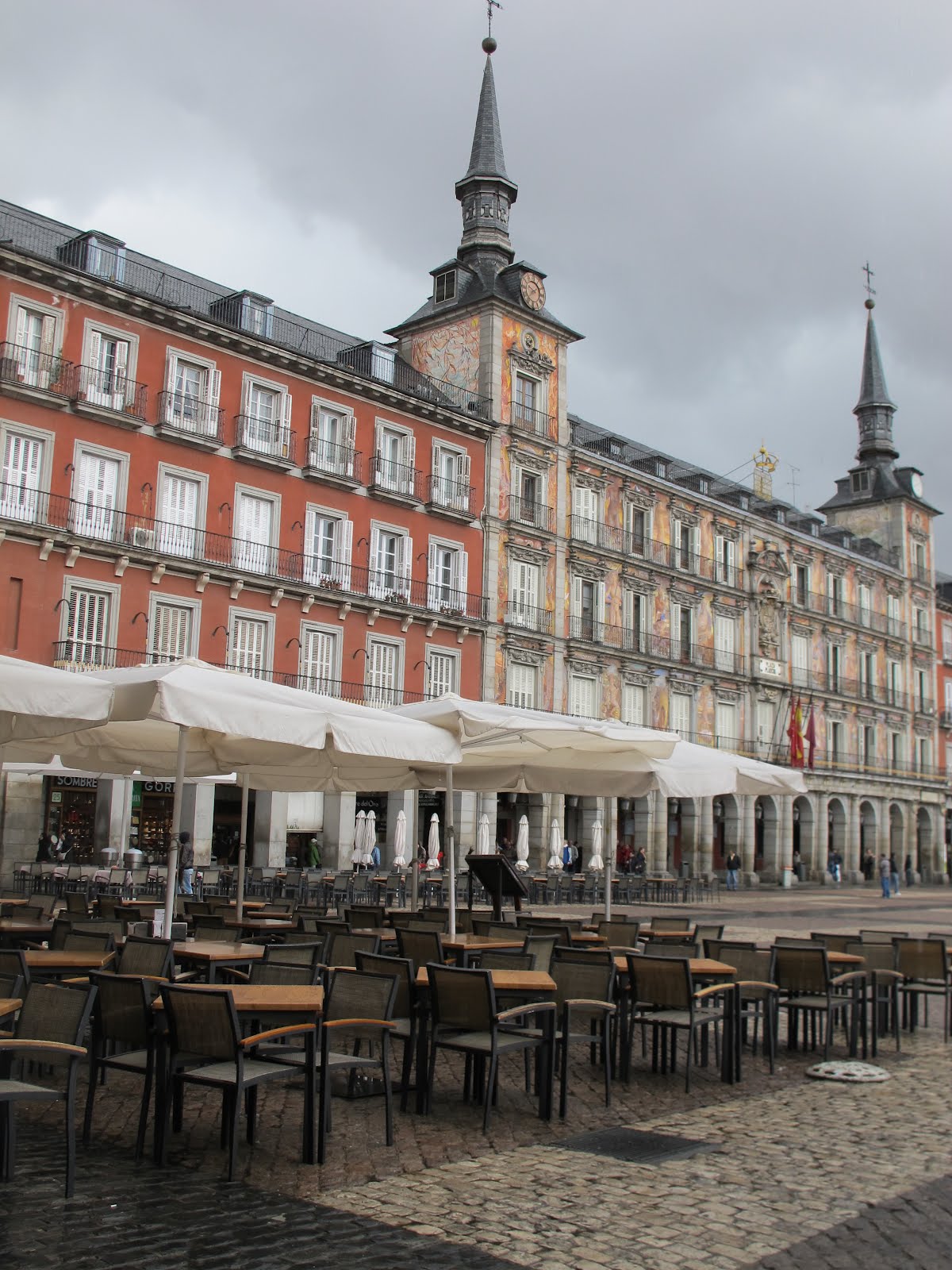
3. Plaza Mayor – tradycyjnie w Hiszpanii, Plaza Mayor jest sercem i centrum miasta, taką turystyczną „starówką”. Dzisiaj madrycki główny plac tętni życiem dniem i nocą, ale jedynie za sprawą turystów, zamiast oglądać koronacje, corridy, czy egzekucje i procesy, jak miało to miejsce za czasów Inkwizycji, można popatrzeć na mimów lub usiąść w jednej z licznych restauracji i wypić kawę, za która z pewnością zapłaci się astronomiczną kwotę, albo zjeść coś w jednym z barów pod arkadami, gdzie jedzą jedynie naiwni turyści.


4. Park Retiro - przysłowiowy rzut beretem od Prado, 120 hektarów zieleni miejskiej, gdzie można robić to, na co ma się ochotę- spacer, wylegiwania się na trawie, popływać łódką, uprawiać sport na świeżym powietrzu, czytać książkę na ławce…


5. Pałac Królewski – oficjalna rezydencja króla, nie wiem, co mam więcej napisać, o tym jednym z miejsc, które najmniej mi się w Madrycie podobają. Zainteresowanych odsyłam na stronę wikipedii. W tym roku widziałam pałac w deszczu oraz jakaś akcję społeczną uwrażliwiającą na problem integracji osób niepełnosprawnych, na którą trafiliśmy przepadkiem.


6. Ulica Gran Vía – jedna z głównych ulic Madrytu, niby architektoniczna wizytówka Madrytu. Na mnie nigdy jakoś większego estetycznego wrażenia nie zrobiła, wolę małe, wąskie uliczki, które mnie czymś zaskakują, a nie szerokie ulice z wysokimi budynkami, które mają onieśmielać.


7. Muzeum Królowej Zofii – w kolekcji jest sławna Guernica Picassa i inne dzieła współczesnych malarzy, jak Dali czy Miró. O muzeach za dużo nie da się pisać, trzeba je oglądać. Choć mój muzealny akcent w tym roku ograniczył się wyłącznie do Prado.

8. Muzeum Thyssen - wraz z opisanymi wcześniej muzeami tworzy tzw. Złoty Trójkąt Sztuki. (I na tym jednym zdaniu skończę, odzywa się moje lenistwo i pogoda za oknem za ładna na wdawanie się w szczegóły, chcę jak najszybciej posta skończyć i na jakiś spacer pójść

9. Fontanna Cibeles – po wygranych meczach kibice Realu świętują zwycięstwa swojego klubu

10. Puerta de Alcalá –na zakończenie listy niegdysiejsza wschodnia brama wjazdowa do miasta


Po napisaniu posta i przejrzenia zdjęć (do zobaczenia na facebooku) doszłam do wniosku, że będzie jednak trylogia madrycka, bo podobało się kilka miejsc, które nie są w ścisłej 10, a które sprawiają, że wizja mieszkania w Madrycie nie jest w sumie taka zła (na razie jednak, w przypadku ewentualnej przeprowadzki, stolica Hiszpanii nie figuruje wśród miast kandydatów).


The first time I visited the Spanish capital was in May 2008, after 4 years I had the opportunity to rediscover the city. This time, my visiting was more conscious and less touristic (as every time I like less walking routes designed by guides, I prefer to get to know a city by simply getting lost without a plan in a maze of unknown streets. This way I believe I have the chance to be closer to a real city, not its touristic face.)

Prado, Retiro, Pl. Cibeles, Pl. de Sol, during the first visit I saw everything a decent tourist should see, it was a guidebook that designed my sightseeing, I cheeked all the 10 places one must absolutely see while in Madrid and many more. It was in Madrid I attended my first and last corrida. We had an open invitation since we moved to Spain, as one of my best friends from the university lives in Madrid. It took us 1,5 year to actually visit Weronika, as we are quite picky when it comes to weather in the capital (in winter it is too cold and in summer we prefer seaside). If you add unattractive prices for weekend flights… that is why we took advantage of Nuno’s business trip to Madrid (at least he didn’t have to buy his own tickets). That is how I could spent alone 2 nights at María’s, my Spanish friend who I hadn’t seen in ages (we met during her Erasmus in Warsaw 6 years ago, we went on InterRail trip together Warsaw-Prague-Bratislava-Bucharest-Zagreb and we managed to keep contact).

I decided to divide my short 4 day long trip to Madrid in 2 parts. One about exploring it from the touristic and culinary point (as you may notice, eating in a very important part of every sightseeing). Since I still haven’t eaten, I will start with the touristic part, although this time I left my guide at home, I decided not to buy one as at the touristic office they give you a small guide covering all the districts and a map. To make writing this post easier, I borrowed a top 10 list from the website http://www.madaboutmadrid.com, because people crazy about Madrid should know what not to miss.


1. Prado Museum - one of the most important and most famous museums in the world. Among thousands of paintings, you find those painted by the famous masters, such as El Greco, Goya,Velazquez, Rubens (only a part of museum’s rich collection is being displayed, the remaining are in storage). I still remember when I first walked in this huge building on the Paseo del Prado, and I had the opportunity to see all these famous paintings whose reproduction I had studied during history of art classes. In front of the enormous painting of Las Meninas (probably one of reasons why this museum is among most visited ones in the world), measuring 318 cm x 276cm, I stayed for quite a time, admiring it with my eyes wide open. The same admiration I felt in front of El Greco’s paintings and late Goya’s (those 3 are definitely my favourite Spanish artists). This year I could only dedicate 1-2 hr for El Prado, and that is why I selected only those rooms that contained works of those three masters. I took secretly some photos with my iphone, to show you how crowded the museum can get, and that unfortunately there are lots of organized groups who follow a designed route that include few of the most famous paintings but are very loud and disturb those who go to contemplate the gems of of European art.


2.Puerta del Sol – here you can find the symbol of Madrid, the bear eating fruits from the strawberry tree, a kilometer zero, statue of Charles III, it is here where madrileños celebrate the New Year by eating 12 grapes or protest and manifest their political and social beliefs (as you may remember, last year young people started a movement called Indignados on 15th of May on this square by occupying it for weeks),


3. Plaza Mayor - the Plaza Mayor is the heart and center of the every Spanish city/town/village, in touristic terms it is "old town" one must visit. Today, Madrid's main square is full of life during day and night, because of numerous tourists, who instead of watching coronations, corridas, executions and processes during the dark days of the Inquisition, can watch at mimes or have an overpriced coffee or meal at one of the many restaurants.

4. Retiro Park – when you are tired after visiting the Prado Museum, there isn’t better place to visit that this 120 hectares big green area, where you can do whatever you feel like doing- walking, sleeping on the grass, renting a boat, practice outdoor sports, read a book on a bench…

5. Royal Palace - the official residence of the king. If you are interested in architectonical or historical details, you can check wikipedia’s entry. As this is one of the places in Madrid I don’t like that much. This year I saw the palace under the rain and we happened to assist a happening about social problems of integration of disabled persons


6. Gran Vía Street - one of the main streets of Madrid, it is supposed to its architectural showcase. Personally I prefer small and narrow streets that hide some surprising details and I tend to avoid wide street with tall and monumental buildings that are designed to intimidate pedestrians.


7. Reina Sofia Museum – exhibits the famous Picasso painting, Guernica, and other works of contemporary painters, such as Dali or Miró. Museums are nor to be written about, they are to be visited. This time I skipped it, limiting my contact with “higher culture” to Prado.

8. Thyssen Museum - along with two previously described museums forms a so-called Golden Triangle of Art. (I am getting bit lazy to write more than one phrase on this venue, a
9. Cibeles Fountain - Real Madrid fans celebrating their club's victory here (Yes, really want to finish this post asap)

10. Puerta de Alcalá- what was once the eastern gateway to the city clises the list of Madrid top 10.

 
After posting pictures on my facebook, I decided that instead of 2 part, there will be a Madrid Trilogy, as there are few streets, details, things that are not included in the top 10 that make we could imagine ourselves living in Madrid (for the time being in the case of a possible relocation, the Spanish capital isn’t among top choices).

Showing posts with label Madryt/ Madrid. Show all posts

Sunday, 17 June 2012

Kulinarny spacer po Madrycie/ A taste of Madrid

Dziś nadeszła cześć na 2 cześć relacji (trochę czasu mi zajęło) z kwietniowego wypadu do Madrytu. O najważniejszych zabytkach juz wiecie, a dziś zabiorę was na kulinarny spacer po stolicy Hiszpanii. Bo dla mnie, jak na prawdziwego kulinarnego turystę przystało, równie ważne (czasami nawet ważniejsze) jak zwiedzanie miasta, jest odkrywanie smacznej strony tego miasta. W krajach południowych kultura jedzenia jest zupełnie inna, godziny posiłków są święte, każdą, nawet najmniejsza mieścina, ma swoje danie popisowe, posiłki się tu celebruje. I mi to bardzo odpowiada. Cóż jest lepszego niż siedzenie w ogródku restauracyjnym z winem/zimnym piwem/sangria/innym drinkiem i degustowanie lokalnych przysmaków? Albo rundka po tapas barach, by w każdym spróbować innej przekąski?

Kultura tapas w Madrycie ma zupełnie inny wymiar niż w Katalonii. Pierwszą różnicą, którą rzuca się w oczy, jest to, że tutaj prawie w każdym barze tapas to dodatek do piwa (co nota bene jest najzupełniej zgodne z tradycją), a nie osobne „danie”. Tak więc przy zamówieniu piwa lub wina dostajemy (za darmo!) tapas. W niektórych barach zamawiając 2 piwa możemy się porządnie najeść, w innych porcje są skromniejsze. W Hiszpanii (nie wiem czy się nie powtarzam, bo o tapas i kulturze jedzenia pisałam już na blogu kilkakrotnie) dobrą knajpę poznaje się po ilości zużytych serwetek na podłodze. Im więcej klientów i im więcej śmieci na podłodze, tym lepiej. Może należałoby otworzyć w Polsce takie małe bary, w których atmosfera jest bezpretensjonalna, klienci głośno rozmawiają i komentują z właścicielem a to wynik ostatniego meczu reprezentacji, a to kolejne reformy rządowe.

Do Madrytu jechałam wyposażona w małą listę barów, kawiarni i restauracji, a na dodatek mogłam liczyć na rekomendacje od Marii i Weroniki. Jednak podczas 2 dni musiałam liczyć tylko i wyłącznie na swoje towarzystwo, co było trochę dziwne. Nie przepadam bowiem ze chodzeniem do barów i jedzeniu w pojedynkę. Jednak mimo moich obaw, że zwiedzanie i jedzenie bez towarzystwa będzie dość nieprzyjemnym doświadczeniem, muszę przyznać, że dobrze się czułam sama ze sobą. Taka mała odmiana. Zresztą w niektórych barach fakt, że byłam bez towarzystwa powodował, że miły pan kelner z uśmiechem nałożył mi większa lub dodatkową porcję tapas i wdał się w rozmowę :)

Pierwszym przystankiem był bar asturyjski El Ñerú zarekomendowany przez Marie, bo znajdował się w pobliżu Plaza Real, ale na tyle daleko i na tyle ukryty, że żaden turysta, chyba że zbłąkany, by tutaj nie przyszedł na lunch, no chyba, że wie, gdzie ma szukać. A warto, bo ten lokal serwuje naprawdę dobre tapas, a pan kelner z nieśmiałym uśmiechem zaserwował mi od serca dodatkowa porcje tortilli. Tak mi się tam podobało, że wieczorem wróciłam tam z Maria i Weronika, by od tego właśnie baru zacząć nasze tapeo.


W piątek włóczyłam się po dzielnicy Malasaña i Chueca. Wybór lunchowy padł na mityczny El Tigre. Porcja zaserwowana do piwa była gigantyczna, na tyle duża, że nie przeszła mi przez głowę myśl, by skusić się na drugie piwko. Bar jest zawsze pełny, nie ma co się dziwić, należy bowiem do jednych z najtańszych w stolicy, za 2 euro dostajemy piwo i talerz pełen przekąsek (z każdym piwem wydaje się, że na talerzu pojawia się ich coraz więcej). A wystrój… to temat na osobną opowieść. Ale wolę nie obiecywać, bo coś mi ostatnio całe tygodnie zajmuje nadrabianie zaległości. Nigdy nie zrozumiem idei polowania, a potem wywieszania trofeów na ścianach. A te właśnie dekorują ściany baru, mamy więc gigantyczną głowę dzika, poroża jeleni i pewnie inne biedne zwierzątka, ale tych między głowami biesiadników nie dane mi było zobaczyć.


Kolejnym przystankiem jest bar Los Gatos (ciekawostka na marginesie: mieszkańcy Madrytu nazywani są kotami, ze względu na ich życie nocne, bo to nocą ożywają). Bar ciekawy, choć to mało powiedziane. Czego tu nie ma! I nie mówie bynajmniej o jedzeniu, ale wystroju. Mozaiki na ścianach (w tym dzieło Goyi), głowa byka, strój toreadora, ministrant, serki innych gratów, które tworzą swoisty i kultowy charakter tego miejsca. Po zamówieniu cerveza tudzież wermutu, dostaje się, jakże inaczej tapę do towarzystwa i można oddać się podziwianiu wszystkich najdziwniejszych elementów dekoracyjnych.


Na zakończenie nocy, po ciężkiej imprezie, wielu imprezowiczów regeneruje siły przy churros con chocolate (podobno są najlepszym lekarstwem na kaca) w Chocolateria de San Gines. Ja przyznam się do grzechu, także wstąpiłam do podobno najlepszej czekoladziarni w stolicy (istniejące już od ponad stulecia), ale o bardziej przystępnej godzinie. Choć może nocą zjedzone kalorie się nie liczą ?


Jak jesteśmy przy nocnym piciu, to ciekawym miejscem dla wielbicieli sławnego hiszpańskiego trunku, a mianowicie sangrii, jest podziemny bar- jaskinia Las Cuevas de Sésamo

Godnym polecenie miejscem jest też Mercado de San Miguel. My, z braku czasu i miejsca na kolejne potrawy (no nie dla nas podwójne lunche czy kolacje), tylko weszliśmy i rzuciliśmy okiem na to, co ma do zaoferowania najstarszy targ w Madrycie. Jest to miejsce interesujące, nie tylko kulinarnie, ale także architektonicznie. Tłumy w środku tylko potwierdzają sławę tego miejsca.

'

A chodząc po mieście ma się wrażenie, że każdym rogu jest jak nie bar, to restauracja, albo kawiarnia, albo stoliki tarasowe. Od wyboru, do koloru…


So finally I’ve decided it was time to write a second post on my April trip to Madrid (yes, it took me more than 2 months). As you already know what are the most famous touristic places in the capital, today I take you on a culinary walk through Madrid. As a true culinary tourist, it is as important (in some cases even more than actual sightseeing) as visiting the monuments is to discover the tasty side of a city. In the southern countries, like Spain, Italy, Portugal or even France, the importance food has still surprises me, their culture of eating is totally different from the one I was used to during my whole life. Meals are celebrated, meal time are sacred, even the tiniest town has its specialty and is famous for it in the whole country. But I must admit, I don’t have anything against it, on the contrary. What can be better than sitting on a terrace of a restaurant drinking a good wine/cold beer / sangria / your favourite drink and tasting the local specialties? Or go de tapeo, which literally means go from one bar to another trying different tapas? Which of course is nothing but a mere excuse to meet with friends and eat.

The culture of eating tapas in Madrid is on a totally different level than in Catalonia. First of all, in almost every bar, a tapa is not a separate dish, it is what you get (for free!) when ordering a beer. And it is this way in many Spanish regions but Catalonia (in fact we only know one bar in Barcelona that gives you a free tapa). So when ordering two beers or glasses of fine and getting tapas, you basically eat almost a whole meal. Another thing to keep in mind when looking for a nice place to eat in Spain is to watch closely how dirty is the bar’s floor. I think I already mentioned that here you recognize a bar with a lot of paper napkins on the floor is a good one- the more dirty the floor is, the better. I wonder if similar places could function somewhere else. I somehow can picture it in Poland, a small bar with unpretentious atmosphere, where customers talk loudly (and nobody tells them to shut up) and they comment with a friendly owner the results of the last game or government’s plan on resolving the crisis.

When I knew I was going to Madrid, I made a list of places where I wanted to go, and I could always count on Maria’s and Weronika’s recommendations. The only problem was that during the whole 2 days I was sightseeing alone, and I am really not used to be alone. I normally never go to bars or restaurants alone, so it was a bit strange at the beginning to eat alone, not having a company. But it turned out to be a surprisingly good change (for two days, I don’t know if I enjoyed more days with me and only me). Besides, in some bars the fact I was alone was actually something positive: a nice waiter gave me an extra portion of tortilla and we had a nice conversation.

The first stop on my culinary map was the Asturian bar El Ñerú , highly recommended by Maria. As I happened to be close to Plaza Real, I decided to eat there. It is just a short walk from touristic Plaza Real, but is quite hidden so that you enter only if somebody told you to go there, as it looks like thousand similar places to have something to eat. But it is definitely a great place (some people on Trip Advisor call it the best place serving Asturian food in the capital) with even better service. A really friendly and somehow shy waiter made me go to the same place twice, and it was there that we started our tapeo in the evening.


On Friday I spend my day wandering through the streets of Malasaña and Chueca district, so my logical choice was a mythical bar El Tigre. The places is told to be one of the cheapest bars in Madrid, and it really is. For 2 euros (or was it 2,5?) you get a beer and a big plate of tapas. It seems that with every beer the plate gets bigger and bigger (I judge it by other plates, as I was so full after finishing mine that I didn’t even consider ordering another). It is always full (no surprises here) so you have to make you way to the counter top. And the noise, and the atmosphere, and the décor… You have to see it. Lucky you I have some photos (not many, as I was too busy eating). I’ve never understood the appeal of hunting and then hanging the trophies on the walls. And it is how El Tigre is decorated, it may not have a tiger head, but there is a gigantic head of a boar, deer antlers, and probably other poor animals.


The next stop was a bar called Los Gatos (funny fact: people from Madrid are called cats, because of their night life, they are believed to start living fully during the night). Bar is really something different and unexpected. And I’m not referring to food this time, but to the décor. You can find everyting in here! Mosaics on the walls (including the Goya’s famous painting), bull’s hear, toreador outfit, altar boy’s outfit, other cheesy and tacku pieces of junk, which form a peculiar ambience. After ordering a cerveza or vermouth and getting a tapa, you can spend a long while admiring the strangest decorative elements.


One way to finish a night, is to go where many party animal stop to recover, at Chocolateria de San Gines. Their churros con chocolate are believed to be a great cure for hangover) . I must confess, I sinned. I also entered what some chose the best chocolate bar in Madrid, but it was still during the daytime. Maybe it was a mistake and calories eaten at night are forgiven easier)


Since we mentioned drinking, for those who call themselves sangria lovers, there is an interesting place to go. It is called Las Cuevas de Sésamo and as the name itself suggest it is an underground bar, looking like few caves.

There are countless places where a food lover can go in Madrid, it is a heaven for them. One of such places is Mercado de San Miguel. As we didn’t have enough time, or possibility to eat two lunches or dinners, we only had a quick look on what this oldest market in the city has to offer. And it really is worth reserving some space in your belly and on your memory card. The crowds inside can only confirm fame of this place.

'

And by simply walking around the city, you get the impression that on every corner there is a nice bar, cozy restaurant, charming café or great terrace. The problem is which one to choose….

Sunday, 13 May 2012

Madryt odkryty na nowo/ Madrid reinvented

Pierwszy raz w stolicy Hiszpanii byłam w maju 2008, po 4 latach miałam okazję na nowo odkryć to miasto. Tym razem bardziej świadomie, a mniej turystycznie (coraz mniej bowiem lubię chodzić szlakami wyznaczonymi przez przewodnik, a coraz bardziej lubię się po prostu gubić w mieście, by je lepiej poznać, od tej prawdziwszej, nie-przewodnikowej strony). Prado, Retiro, Pl. Cibeles, Pl de Sol- podczas pierwszej wizyty zwiedziłam to, co każdy turysta powinien, to przewodnik wytyczał mi trasę, nie opuściłam żadnego z 10 miejsc, które absolutnie trzeba zobaczyć w Madrycie. Ba, to nawet w tym mieście po raz pierwszy i ostatni byłam na corridzie. Zaproszenie do Madrytu mieliśmy w sumie odkąd się przeprowadziliśmy do Barcelony, tam mieszka bowiem moja dobra znajoma ze studiów, Weronika. Mobilizacja trwała dobry rok, bo latem w Madrycie na nasz gust jest za gorąco, latem bowiem preferujemy plaże a nie żar miasta bez dostępu do morza, a zimą jest za zimno (jesteśmy trochę wybredni). Do tego nieatrakcyjne ceny weekendowych lotów nie sprzyjały naszym planom odwiedzenia znajomych w stolicy. Termin tegoroczny wybrany został nieprzypadkowo, Nuno bowiem miał spędził tydzień w Madrycie wraz z ludźmi w firmy, wykorzystaliśmy, że dla niego biletów nie musieliśmy już kupować, a ja mogłam spędzić 2 noce u mojej dawno niewidzianej hiszpańskiej znajomej Marii (wspominałam w jakimś poście, że poznałyśmy się na jej Erasmusie w Warszawie z 6 lat temu, razem zrobiłyśmy też interraila na trasie Wwa-Praga-Bratysława-Bukareszt-Zagrzeb).


Relacja z 4 dniowego pobytu w Madrycie podzielona będzie na 2 części. Tę o zwiedzaniu i tę o jedzeniu. Jako że jeszcze jestem przed kolacją, na pierwszy rzut pójdzie relacja turystyczna, choć tym razem do Madrytu jechałam bez żadnego przewodnika (mój o całej Hiszpanii był za ciężki, a z biblioteki nie zdążyłam wypożyczyć, na kupno nowego szkoda mi było kasy, bo w informacji turystycznej dostałam informator o dzielnicach i miejscach wartych odwiedzenia). Dla ułatwienia, zapożyczyłam sobie top 10 ze strony http://www.madaboutmadrid.com, bo kto, jak nie ten mający świra na punkcie Madrytu powinien wiedzieć, co koniecznie trzeba zwiedzić?

1. Muzeum Prado – jedno z najważniejszych i najbardziej znanych muzeów na świecie. Wśród bogatej kolekcji (z braku miejsca tylko część zasobów muzeum wystawiona jest na widok publiczny) znajdują się dzieła takich mistrzów jak El Greco, Goya, Velazquez, Rubens. Pamiętam, jak po raz pierwszy przestąpiłam próg ogromnego gmachu przy Paseo del Prado i miałam okazję na żywo zobaczyć wszystkie te dzieła, o których uczyłam się na historii sztuki lub których reprodukcje widziałam w jakiejś książce. Przeogromny obraz Las Meninas, uważany za jedno z najważniejszych dzieł w historii sztuki, o wymiarach 318 cm × 276cm, dosłownie wmurował mnie w ziemię. Mogłam tylko stać bez ruchu i podziwiać. Tego samego wrażenia doświadczyłam przez obrazami El Greco i późnego Goi. W tym roku na El Prado przeznaczyłam zaledwie godzinkę i tylko tych 3 wielkich hiszpańskich malarzy miała zamiar zobaczyć. Ukradkiem zrobiłam iphonem kilka zdjęć (za co mi się oberwało, bowiem w przeciwieństwie np. do znanych paryskich muzeów, w El Prado zabronione jest robienie zdjęć i nawet moje tłumaczenia, że robię je ludziom, a nie obrazom, nie uratowało mnie przed srogą miną pani strażniczki), by pokazać tłumy, które niestety skutecznie przeszkadzają w kontemplacji sztuki.


2. Puerta del Sol – tu mieści się symbol Madrytu- niedźwiedź zjadający owoce z drzewa poziomkowego, tutaj znajduje się kilometr zerowy, pomnik Karola III, tutaj mieszkańcy stolicy świętują nadejście nowego roku zjadając 12 winogron, tutaj protestują i manifestują (tu zaczęły się demonstracje młodych ludzi, nazwane potem ruchem 15M lub Indignados-Oburzonych)


3. Plaza Mayor – tradycyjnie w Hiszpanii, Plaza Mayor jest sercem i centrum miasta, taką turystyczną „starówką”. Dzisiaj madrycki główny plac tętni życiem dniem i nocą, ale jedynie za sprawą turystów, zamiast oglądać koronacje, corridy, czy egzekucje i procesy, jak miało to miejsce za czasów Inkwizycji, można popatrzeć na mimów lub usiąść w jednej z licznych restauracji i wypić kawę, za która z pewnością zapłaci się astronomiczną kwotę, albo zjeść coś w jednym z barów pod arkadami, gdzie jedzą jedynie naiwni turyści.


4. Park Retiro - przysłowiowy rzut beretem od Prado, 120 hektarów zieleni miejskiej, gdzie można robić to, na co ma się ochotę- spacer, wylegiwania się na trawie, popływać łódką, uprawiać sport na świeżym powietrzu, czytać książkę na ławce…


5. Pałac Królewski – oficjalna rezydencja króla, nie wiem, co mam więcej napisać, o tym jednym z miejsc, które najmniej mi się w Madrycie podobają. Zainteresowanych odsyłam na stronę wikipedii. W tym roku widziałam pałac w deszczu oraz jakaś akcję społeczną uwrażliwiającą na problem integracji osób niepełnosprawnych, na którą trafiliśmy przepadkiem.


6. Ulica Gran Vía – jedna z głównych ulic Madrytu, niby architektoniczna wizytówka Madrytu. Na mnie nigdy jakoś większego estetycznego wrażenia nie zrobiła, wolę małe, wąskie uliczki, które mnie czymś zaskakują, a nie szerokie ulice z wysokimi budynkami, które mają onieśmielać.


7. Muzeum Królowej Zofii – w kolekcji jest sławna Guernica Picassa i inne dzieła współczesnych malarzy, jak Dali czy Miró. O muzeach za dużo nie da się pisać, trzeba je oglądać. Choć mój muzealny akcent w tym roku ograniczył się wyłącznie do Prado.

8. Muzeum Thyssen - wraz z opisanymi wcześniej muzeami tworzy tzw. Złoty Trójkąt Sztuki. (I na tym jednym zdaniu skończę, odzywa się moje lenistwo i pogoda za oknem za ładna na wdawanie się w szczegóły, chcę jak najszybciej posta skończyć i na jakiś spacer pójść

9. Fontanna Cibeles – po wygranych meczach kibice Realu świętują zwycięstwa swojego klubu

10. Puerta de Alcalá –na zakończenie listy niegdysiejsza wschodnia brama wjazdowa do miasta


Po napisaniu posta i przejrzenia zdjęć (do zobaczenia na facebooku) doszłam do wniosku, że będzie jednak trylogia madrycka, bo podobało się kilka miejsc, które nie są w ścisłej 10, a które sprawiają, że wizja mieszkania w Madrycie nie jest w sumie taka zła (na razie jednak, w przypadku ewentualnej przeprowadzki, stolica Hiszpanii nie figuruje wśród miast kandydatów).


The first time I visited the Spanish capital was in May 2008, after 4 years I had the opportunity to rediscover the city. This time, my visiting was more conscious and less touristic (as every time I like less walking routes designed by guides, I prefer to get to know a city by simply getting lost without a plan in a maze of unknown streets. This way I believe I have the chance to be closer to a real city, not its touristic face.)

Prado, Retiro, Pl. Cibeles, Pl. de Sol, during the first visit I saw everything a decent tourist should see, it was a guidebook that designed my sightseeing, I cheeked all the 10 places one must absolutely see while in Madrid and many more. It was in Madrid I attended my first and last corrida. We had an open invitation since we moved to Spain, as one of my best friends from the university lives in Madrid. It took us 1,5 year to actually visit Weronika, as we are quite picky when it comes to weather in the capital (in winter it is too cold and in summer we prefer seaside). If you add unattractive prices for weekend flights… that is why we took advantage of Nuno’s business trip to Madrid (at least he didn’t have to buy his own tickets). That is how I could spent alone 2 nights at María’s, my Spanish friend who I hadn’t seen in ages (we met during her Erasmus in Warsaw 6 years ago, we went on InterRail trip together Warsaw-Prague-Bratislava-Bucharest-Zagreb and we managed to keep contact).

I decided to divide my short 4 day long trip to Madrid in 2 parts. One about exploring it from the touristic and culinary point (as you may notice, eating in a very important part of every sightseeing). Since I still haven’t eaten, I will start with the touristic part, although this time I left my guide at home, I decided not to buy one as at the touristic office they give you a small guide covering all the districts and a map. To make writing this post easier, I borrowed a top 10 list from the website http://www.madaboutmadrid.com, because people crazy about Madrid should know what not to miss.


1. Prado Museum - one of the most important and most famous museums in the world. Among thousands of paintings, you find those painted by the famous masters, such as El Greco, Goya,Velazquez, Rubens (only a part of museum’s rich collection is being displayed, the remaining are in storage). I still remember when I first walked in this huge building on the Paseo del Prado, and I had the opportunity to see all these famous paintings whose reproduction I had studied during history of art classes. In front of the enormous painting of Las Meninas (probably one of reasons why this museum is among most visited ones in the world), measuring 318 cm x 276cm, I stayed for quite a time, admiring it with my eyes wide open. The same admiration I felt in front of El Greco’s paintings and late Goya’s (those 3 are definitely my favourite Spanish artists). This year I could only dedicate 1-2 hr for El Prado, and that is why I selected only those rooms that contained works of those three masters. I took secretly some photos with my iphone, to show you how crowded the museum can get, and that unfortunately there are lots of organized groups who follow a designed route that include few of the most famous paintings but are very loud and disturb those who go to contemplate the gems of of European art.


2.Puerta del Sol – here you can find the symbol of Madrid, the bear eating fruits from the strawberry tree, a kilometer zero, statue of Charles III, it is here where madrileños celebrate the New Year by eating 12 grapes or protest and manifest their political and social beliefs (as you may remember, last year young people started a movement called Indignados on 15th of May on this square by occupying it for weeks),


3. Plaza Mayor - the Plaza Mayor is the heart and center of the every Spanish city/town/village, in touristic terms it is "old town" one must visit. Today, Madrid's main square is full of life during day and night, because of numerous tourists, who instead of watching coronations, corridas, executions and processes during the dark days of the Inquisition, can watch at mimes or have an overpriced coffee or meal at one of the many restaurants.

4. Retiro Park – when you are tired after visiting the Prado Museum, there isn’t better place to visit that this 120 hectares big green area, where you can do whatever you feel like doing- walking, sleeping on the grass, renting a boat, practice outdoor sports, read a book on a bench…

5. Royal Palace - the official residence of the king. If you are interested in architectonical or historical details, you can check wikipedia’s entry. As this is one of the places in Madrid I don’t like that much. This year I saw the palace under the rain and we happened to assist a happening about social problems of integration of disabled persons


6. Gran Vía Street - one of the main streets of Madrid, it is supposed to its architectural showcase. Personally I prefer small and narrow streets that hide some surprising details and I tend to avoid wide street with tall and monumental buildings that are designed to intimidate pedestrians.


7. Reina Sofia Museum – exhibits the famous Picasso painting, Guernica, and other works of contemporary painters, such as Dali or Miró. Museums are nor to be written about, they are to be visited. This time I skipped it, limiting my contact with “higher culture” to Prado.

8. Thyssen Museum - along with two previously described museums forms a so-called Golden Triangle of Art. (I am getting bit lazy to write more than one phrase on this venue, a
9. Cibeles Fountain - Real Madrid fans celebrating their club's victory here (Yes, really want to finish this post asap)

10. Puerta de Alcalá- what was once the eastern gateway to the city clises the list of Madrid top 10.

 
After posting pictures on my facebook, I decided that instead of 2 part, there will be a Madrid Trilogy, as there are few streets, details, things that are not included in the top 10 that make we could imagine ourselves living in Madrid (for the time being in the case of a possible relocation, the Spanish capital isn’t among top choices).